Oklahoma “Expands” Its Special Ed Vouchers

June 6, 2011

(Guest post by Greg Forster)

I missed this when it was signed into law a couple weeks ago, because it’s not what you traditionally think of as “expanding” a school choice program. But in addition to its new school choice program, Oklahoma has (ahem) “expanded” its existing voucher program for special needs students:

House Bill 1744 by State Rep. Jason Nelson (R-Oklahoma City) and State Sen. Patrick Anderson (R-Enid) changes the law so school districts will no longer administer the program. Instead, the Department of Education will administer it.

“Last year, several school districts failed to provide scholarships to eligible special needs students, flagrantly violating the law,” said Nelson. “Thanks to the modifications in this bill, the State Department of Education will administer the program rather than local school districts. This will provide consistency and certainty for students and parents who choose to participate in the program.”

Last year, lawmakers voted allow a student with a disability (such as those with Down syndrome or Autism) who has an individualized education program (IEP) to receive state-funded scholarships to attend a private school. The scholarships come from the amount of money already designated for the education of those children.

After the program went into effect last August, several Tulsa-area schools voted to break the law, leading lawmakers to adjust the program this year. [ea]

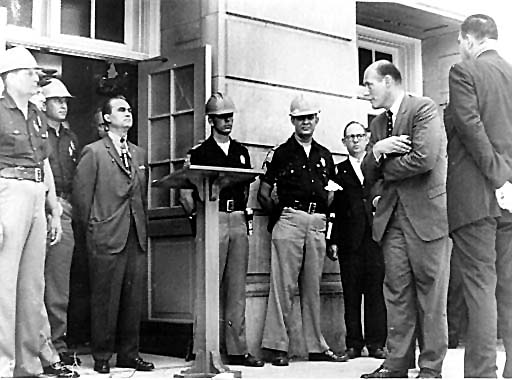
A little bit like Eisenhower sending federal troops to “expand eligibility” for schools in Little Rock.

Does this bring me to twelve enactments in my bid to run up the score on poor Jay Mathews? Alas, no. In the set of definitions we agreed to for purposes of the bet, “expanding” a program means “increasing the eligible student pool, or increasing the amount of funds available to support the program (on either a per-student or global basis).” As I wrote to Mathews at the time: “That’s in your favor because I’m agreeing not to count, say, relaxation of burdensome restrictions on participating schools as an expansion.”

It also means sending in the cavalry to force the powers that be to obey the frikkin’ law also doesn’t count.

Stay tuned! The year’s not done yet…


MPS Takes “Standing in the Schoolhouse Door” to a Whole New Level

May 31, 2011

(Guest post by Greg Forster)

Over the weekend, John Witte and Pat Wolf had a compelling article in the Milwaukee Journal Sentinel summarizing the real (as opposed to media-reported) results of the Milwaukee voucher program research being conducted by the School Choice Demonstration Project.

And then they dropped a bomb:

Recently, our research team conducted site visits to high schools in Milwaukee to examine any innovative things they are doing to educate disadvantaged children. The private high schools of the choice program graciously opened their doors to us and allowed us full access to their schools. Although several MPS principals urged us to come see their schools as well, the central administration at MPS prohibited us having any further contact with those schools as they considered our request for visits. We have not heard from them in weeks.

Our report on the private schools we visited, which will offer a series of best practices regarding student dropout prevention, will be released this fall. Should MPS choose to open the doors of their high schools to us, we will be able to learn from their approaches as well. [ea]

MPS opposition to vouchers takes standing in the schoolhouse door to a whole new level.


Running Up the Score: Choice Goes to Eleven

May 20, 2011

(Guest post by Greg Forster)

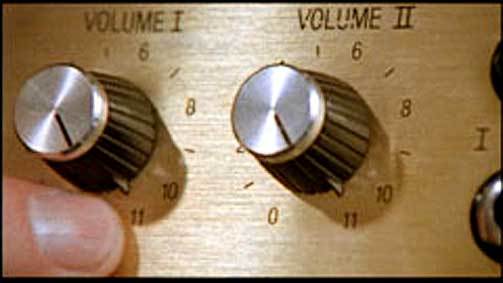
Matt Ladner’s awesomeness goes to eleven! And so does school choice with the expansion of Georgia’s tax-credit scholarship program making eleven school choice “enactments” this year.

Jay Mathews bet me we wouldn’t have seven enactments, and we now have eleven. Where do you think he’ll buy me dinner?


Running Up the Score: Make That Ten

May 20, 2011

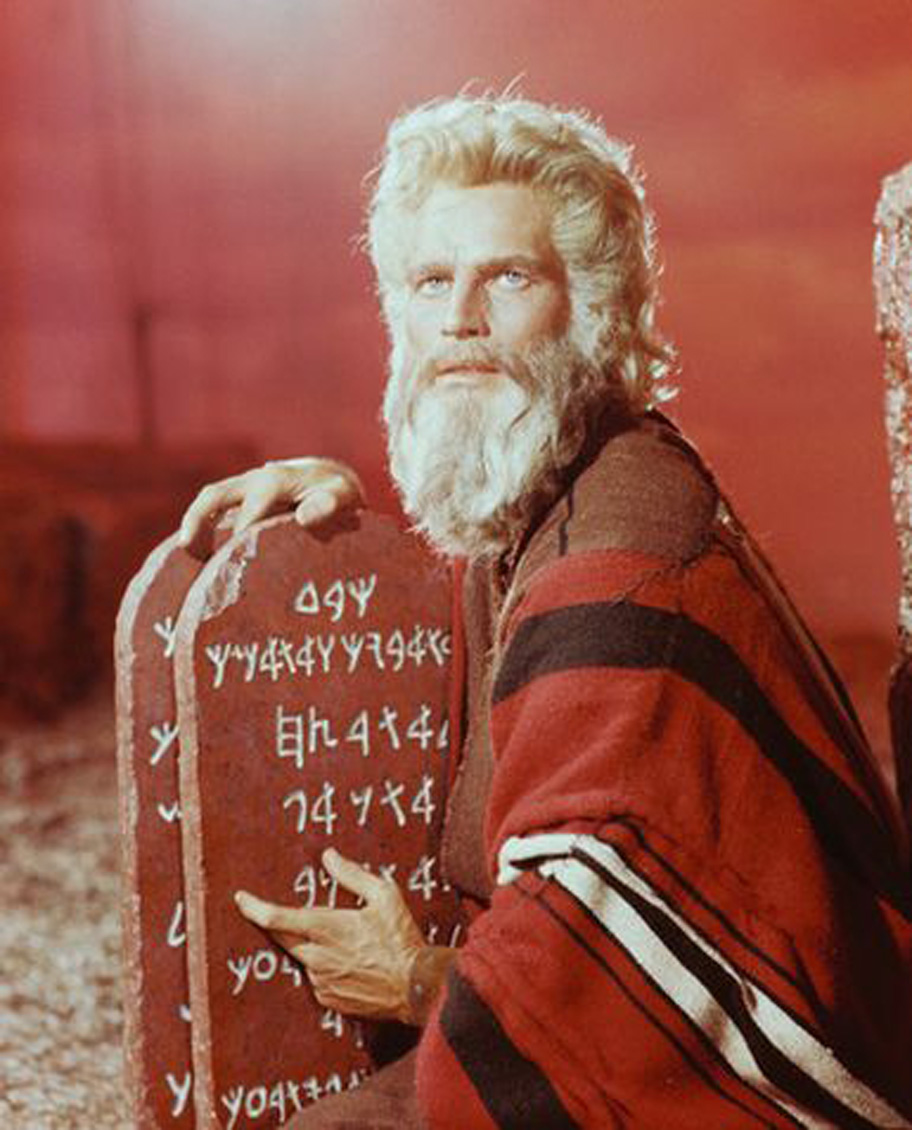
Thou shalt not dismiss the viability of school choice!

(Guest post by Greg Forster)

Earlier this week I celebrated the Oklahoma Eight Ball, the first school choice program passed after the Indiana Triple Play gave me the seven enactments (new or expanded programs) needed to win my bet with Jay Mathews.

Or so I thought! Somehow I missed the Florida Twofer. Florida expanded funds available for its tax-credit scholarship program and made a larger population of students eligible for the McKay voucher program for special needs students(thus expanding the total size of the program because McKay has no cap on total participation).

That puts my score at ten out of seven.

At least six states are still in play according to my sources: Pennsylvania, Ohio, Wisconsin, Iowa, New Jersey, and South Carolina.


Time to Run Up the Score

May 17, 2011

(Guest post by Greg Forster)

The Indiana Triple Play put me over the top for a total of seven school choice “enactments” this year, winning my bet with Jay Mathews on whether school choice is politically viable. So what comes next?

Now is the time on Jay P. Greene’s Blog when we run up the score!

Ladies and gentlemen, say hello to the Oklahoma Eight Ball:

Oklahoma Gov. Mary Fallin today signed into law the Oklahoma Equal Opportunity Education Scholarship Act, which will provide tax credits to individuals and businesses that donate to nonprofits that distribute private-school scholarships to eligible families.

“This legislation is another victory in a year of nationwide progress toward the goal of giving families access to effective educational options for their children,” Robert Enlow, president and CEO of the Foundation for Educational Choice, said. “More parents now will have the power to choose the best education for their children. Most importantly, more children will have the chance to receive an education that prepares them for success in life.”

Nine more states – nine! – remain in play for possible enactments this year.

Will Jay be spared the embarrassment of even more enactments? Ask the magic Oklahoma Eight Ball:


THESE Are the Lightsabers You’re Looking For

May 11, 2011

(Guest post by Greg Forster)

Jay, I’ll see you and raise.


Is Opposing National Standards “Conservative”?

May 10, 2011

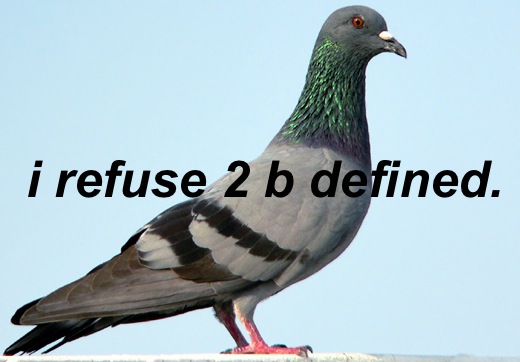
Stay in your hole, little pigeon!

(Guest post by Greg Forster)

As I expected, the nationalizers have responded to our manifesto, Closing the Door on Innovation, not only with weasel words that avoid confronting all the essential issues (and that Jay has already demolished) but also by trying to stigmatize us as “conservative.” Virtually all the coverage of the manifesto describes it, or its supporters, as “conservative” and the nationalizers themselves seem very keen on leveraging that for stigma value.

Apparently nationalization of education, carried out behind closed doors by people who have a direct financial stake in the outcome, is not a scary hidden political agenda, but opposing it is.

A while back, Fordham was trying to convince people that supporting national standards was “conservative.” So much for that! I wonder what Checker thinks, seeing his quotation placed cheek by jowl with Randi Weingarten’s in the official Shanker response, offering the same dodge-and-weave evasive approach that she does, and all as part of a post that treats “conservative” as a dyslogistic term.

This whole line is just cheap, hollow misdirection – “manipulation of the narrative,” as they now say.

The following propositions seem to me to be so obvious that it isn’t even worth the trouble to argue for them.

  1. There is nothing in the manifesto that is distinctively conservative, although there is much that conservatives can agree with. Conservatives can and should agree with obvious facts and common sense arguments, but just because the manifesto articulates obvious facts and common sense arguments that doesn’t make it “conservative.”
  2. There are plenty of non-conservatives among the signatories.
  3. By immediately rushing in to frantically point fingers and shriek “Conservative! Conservative! CONSERVATIVE!” while offering evasive weaseling on the substance, the nationalizers have proven my point that national standards are a great way to reignite the very worst aspects of the culture wars of the 1990s.

Instead of bickering over labels, how about we argue over the substance? Oh yeah, that’s right – I forgot.


Check Out Our All-Star Lineup!

May 9, 2011

(Guest post by Greg Forster)

We couldn’t land Troy McClure, but the manifesto we released today opposing nationalization of K-12 education, Closing the Door on Innovation, did land a lot of big stars – Abby and Stephan Thernstrom, Shelby Steele and Richard Epstein among them. Big names in the education world include Blouke Carus, John Chubb, and Herb Walberg – on top of our very own Bill Evers, Jay Greene, and Sandra Stotsky, of course.

Moments ago, we added our first new batch of additional signers, bringing the total to 144. Among the new signers: Princeton’s Robert George.

In his coverage of the manifesto, titled Now It Gets Interesting, Rick Hess runs down some of the rest of the original lineup:

Signatories include legislators who chair or vice-chair of education committees in Minnesota, Colorado, Arizona, and Texas; state board members from Colorado and Alabama; two former general counsels at the U.S. Department of Ed; and a grab-bag of Republicans like former California governor Pete Wilson, former Reagan Attorney General Ed Meese, former U.S. House member Pete Hoekstra, anti-tax crusader Grover Norquist, and Spellings Commission chair Charles Miller. They also include William Estrada of the Home School Legal Defense Association; Bob Enlow, president of the Foundation for Educational Choice; the heads of a number of state-level conservative think tanks; and academics including Shelby Steele, U. Chicago’s Richard Epstein, Stephen and Abigail Thernstrom, and, intriguingly, progressive icon Joel Spring.

Shout out to Bob Enlow for being big enough to make the marquee!


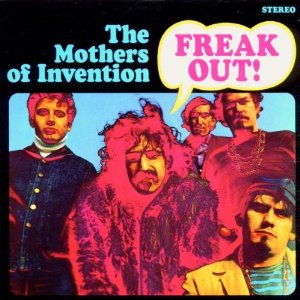
Awwwwwwwwwwwwwwwww . . . FREAK OUT!

May 5, 2011

(Guest post by Greg Forster)

Adam Schaeffer is freaking out over the Indiana Triple Play. It’s the largest school choice program ever enacted, and thus the biggest threat to the government school monopoly ever to achieve fruition – but apparently Indiana also has a handful of silly regulations that private schools will have to follow if they want to participate.

For example, participating schools will have to own a copy of the “Chief Seattle letter” from a 1972 movie.

♪♫♪ Awwwwwwwwwwwwwwwwwwwww . . . FREAK OUT!  ♪♫♪

And they’ll have to take the state test.

♪♫♪ Awwwwwwwwwwwwwwwwwwwww . . . FREAK OUT!  ♪♫♪

And they’ll have to provide “good citizenship instruction.”

♪♫♪ Awwwwwwwwwwwwwwwwwwwww . . . FREAK OUT!  ♪♫♪

All this may be a very effective way for Cato to frighten its hardcore libertarian base for purposes of product differentiation in the market of ideas, but it’s not sound analysis.

  1. Most private schools in Indiana already give the state test. This is partly because it’s required for accreditation, but even many non-accredited schools give it. (By the way, the percentage of private schools in Indiana that are accredited is 50% according to the Indiana Non-Public Education Association, not 40% as Adam claims.) Since not all schools will participate in the new program, and the schools that don’t give the state test are overwhelmingly going to be more likely to be the ones who don’t participate, the new law represents no important change from the status quo. Obviously it would be better if the state’s accreditation requirements were changed, but that’s just not the same issue.
  2. Schools don’t have to participate. If they don’t like these rules, they’re as free as they were before. Now they also have the option to participate if they want to.
  3. Where’s the beef? Adam describes the “good citizenship” curricular requirement as “extensive and detailed,” but doesn’t produce much to support that. From what I can make out in his post, it looks like a lot of not much.
  4. The state already has virtually unlimited authority to regulate private school curricula, especially in the name of “good citizenship.” The Supreme Court has given states more or less a blank check to control private school curricula, and the state has especially strong authority to require, and control the content of, “citizenship” education. The existence of a voucher program changes little in this regard.

Concerns that regulations on school choice programs not be allowed to become onerous are perfectly legitimate. But to call the enactment of a voucher program for 600,000 students a “defeat” is going way too far. This isn’t just making the perfect the enemy of the good, it’s making the perfect a nuclear bomb that destroys everything.


Indiana Triple Play Delivers the Win

May 5, 2011

(Guest post by Greg Forster)

Aaaaaaaaaaaaaaaaaaaaaaaaaaaaand that’s seven.

Gov. Daniels has just signed into law three – count them – three school choice “enactments” according to the terms of my notorious bet with the Washington Post‘s Jay Mathews.

  1. A new voucher program – bigger than any existing school choice program
  2. A new tax deduction for education expenses (including private schooling)
  3. An expansion of Indiana’s existing tax-credit scholarship program

Add that to the list of previous enactments this year…

  1. Utah’s Carson Smith voucher expansion
  2. Douglas County, Co. new voucher program
  3. Arizona new ESA program
  4. DC voucher expansion

…and that smells like a really fancy dinner at one of Milwaukee’s finest restaurants.

In the comments here, “allen” suggests that whether or not there’s an “end zone” in the war or terror, we should definitely seek to “run up the score.” I heartily agree – and I’m not above running up the score on Mathews, either.

A little bird tells me these states are still in play for enactments this year:

  1. Oklahoma
  2. Florida
  3. Georgia
  4. Wisconsin
  5. Ohio
  6. Pennsylvania
  7. Texas
  8. New Jersey
  9. North Carolina
  10. Iowa

I’ll take Texas with a grain of salt – sorry, Matt, but we’ve been promised a program in Texas too many times over too many years for me not to be skeptical. But hey, as you put it, 2011 is already setting a new standard for education reform. Why not Texas, too?

Fact: Chuck Norris can enact a Texas voucher in every state.

Kong & Mario image HT The Pitch